
A clean kitchen is not just about appearances. In hospitality, it directly affects food safety, staff wellbeing, inspections, and customer trust. While daily cleaning keeps things ticking over, deep cleaning is what prevents long-term hygiene risks and operational issues.
This checklist is designed for commercial kitchens, cafés, takeaways, pubs, and restaurants that want a structured, no-nonsense approach.
Why deep cleaning matters in hospitality kitchens
Daily surface cleans do not reach hidden grease, bacteria build-up, or hard-to-access areas. Over time, this leads to:
-
Increased risk of cross-contamination
-
Pest attraction and nesting points
-
Fire hazards from grease accumulation
-
Failed inspections or enforcement action
-
Shortened equipment lifespan
A proper deep clean addresses what day-to-day routines miss.
Kitchen deep cleaning checklist
1. Food preparation areas
These are high-contact zones and should be treated as critical areas.
-
Worktops and prep surfaces fully degreased and sanitised
-
Cutting boards removed, cleaned, and sanitised separately
-
Splashbacks cleaned from top to bottom
-
Under-counter storage emptied and cleaned
-
Shelving cleaned, including undersides and brackets
Tip: Pay attention to seams, joints, and worn surfaces where bacteria can hide.
2. Cooking equipment
Grease and carbon build-up is one of the biggest risks in commercial kitchens.
-
Ovens and ranges deep cleaned internally and externally
-
Fryers drained, filtered, and fully degreased
-
Grills, griddles, and char units scraped and sanitised
-
Extraction hoods and filters cleaned and degreased
-
Equipment pulled away from walls and cleaned behind
This is often where fire risks develop if neglected.
3. Refrigeration and cold storage
Cold does not stop bacteria if hygiene slips.
-
Fridges and freezers emptied and cleaned internally
-
Door seals cleaned and checked for damage
-
Shelving removed and sanitised
-
Drip trays emptied and disinfected
-
Temperature displays wiped and checked
Always discard expired or unlabelled stock during this process.
4. Sinks and washing stations
These areas see constant use and are often overlooked.
-
Sink bowls descaled and sanitised
-
Taps, handles, and spray units cleaned thoroughly
-
Drain covers removed and cleaned
-
Splash zones around sinks degreased
-
Handwash stations restocked and sanitised
Hand hygiene stations should be spotless at all times.
5. Floors, walls, and ceilings
Grime does not stay on the floor forever. It travels upwards.
-
Floors scrubbed, degreased, and sanitised
-
Grout lines cleaned properly, not just mopped over
-
Wall tiles cleaned up to ceiling height
-
Skirting boards and edges cleaned
-
Ceilings checked and cleaned where safe to do so
Pay attention to corners and behind equipment where build-up accelerates.
6. Waste and storage areas
These are prime pest attractors if not managed correctly.
-
Bins cleaned and disinfected internally and externally
-
Bin lids and wheels cleaned
-
Waste areas degreased and deodorised
-
Dry storage areas cleaned and reorganised
-
Stock rotated and checked for contamination
Good waste hygiene reduces pest risk significantly.
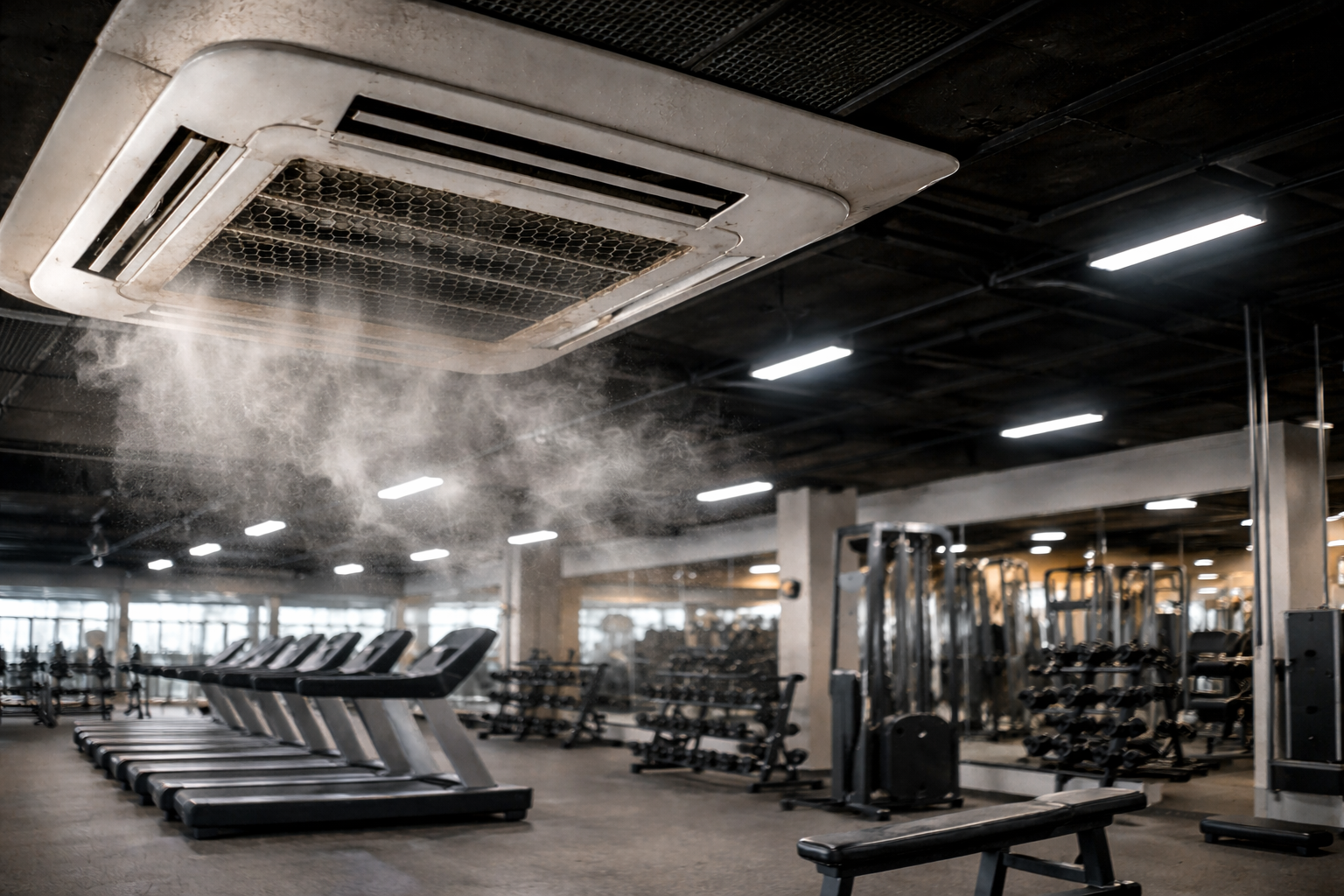
7. Ventilation and air flow
Often missed, but critical in busy kitchens.
-
Vent covers cleaned
-
Air vents and intakes checked for grease build-up
-
High-level surfaces cleaned where accessible
-
Condensation points inspected
Poor ventilation contributes to grease spread and mould growth.
How often should a kitchen deep clean be done?
This depends on usage, but as a general guide:
-
High-volume kitchens: every 3 to 6 months
-
Moderate-use kitchens: every 6 months
-
Low-use or seasonal kitchens: before reopening and mid-season
Fire safety assessments or inspections may require more frequent cleaning.
In-house vs professional deep cleaning
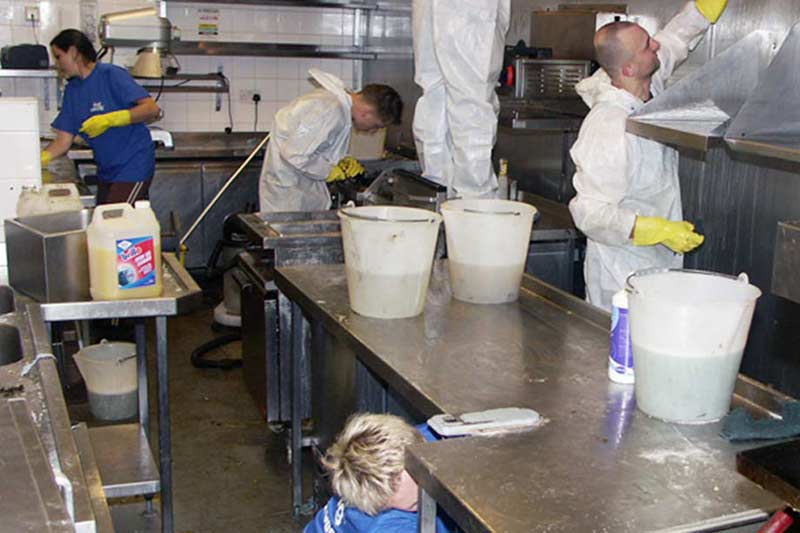
Some tasks can be handled internally, but commercial deep cleaning often requires:
-
Industrial-grade degreasers
-
Specialist equipment
-
Safe handling of biohazards and waste
-
Compliance with health and safety regulations
Professional cleaning ensures nothing is missed and reduces risk to staff.
Why it’s worth doing properly
A kitchen deep clean is not about ticking a box. It protects your business, your staff, and your customers. Whether you handle it in-house or bring in specialists, having a clear checklist keeps standards consistent and defensible.