
Deep Cleaning Isn’t What Most People Think It Is
The phrase “deep clean” gets thrown around a lot.
Property managers say it. Tenants request it. Offices schedule it. But if you asked ten different people what a deep clean actually involves, you’d likely get ten different answers.
For some, it means hoovering behind furniture.
For others, it’s just a longer version of routine cleaning.
For a few, it’s a panic button pressed after something has already gone wrong.
That confusion is part of the problem.
Because deep cleaning isn’t about doing “more cleaning”. It’s about doing the right cleaning - in the right places - for the right reasons.
And most people misunderstand it entirely.
Myth 1: Deep Cleaning Means Everything Looks Shiny
A space can look spotless and still be carrying a significant bacterial load.
Shine doesn’t equal sanitation.
Routine cleaning focuses on visible dirt, dust and surface appearance. Deep cleaning, when done properly, focuses on high-touch and high-risk areas that aren’t always visible or obvious.
Door frames. Skirting boards. Under desks. Behind equipment. Vent grilles. Shared kitchen touchpoints. Washroom fixtures that are cleaned daily but rarely disinfected properly.
If a cleaning routine never changes, it’s not deep cleaning. It’s just repetition.
Myth 2: It’s Only Necessary After a Problem
Many people treat deep cleaning as reactive.
There’s an illness outbreak.
There’s a complaint.
There’s a visible issue.
Then suddenly a “deep clean” is ordered.
But preventative deep cleaning is where the real value sits.
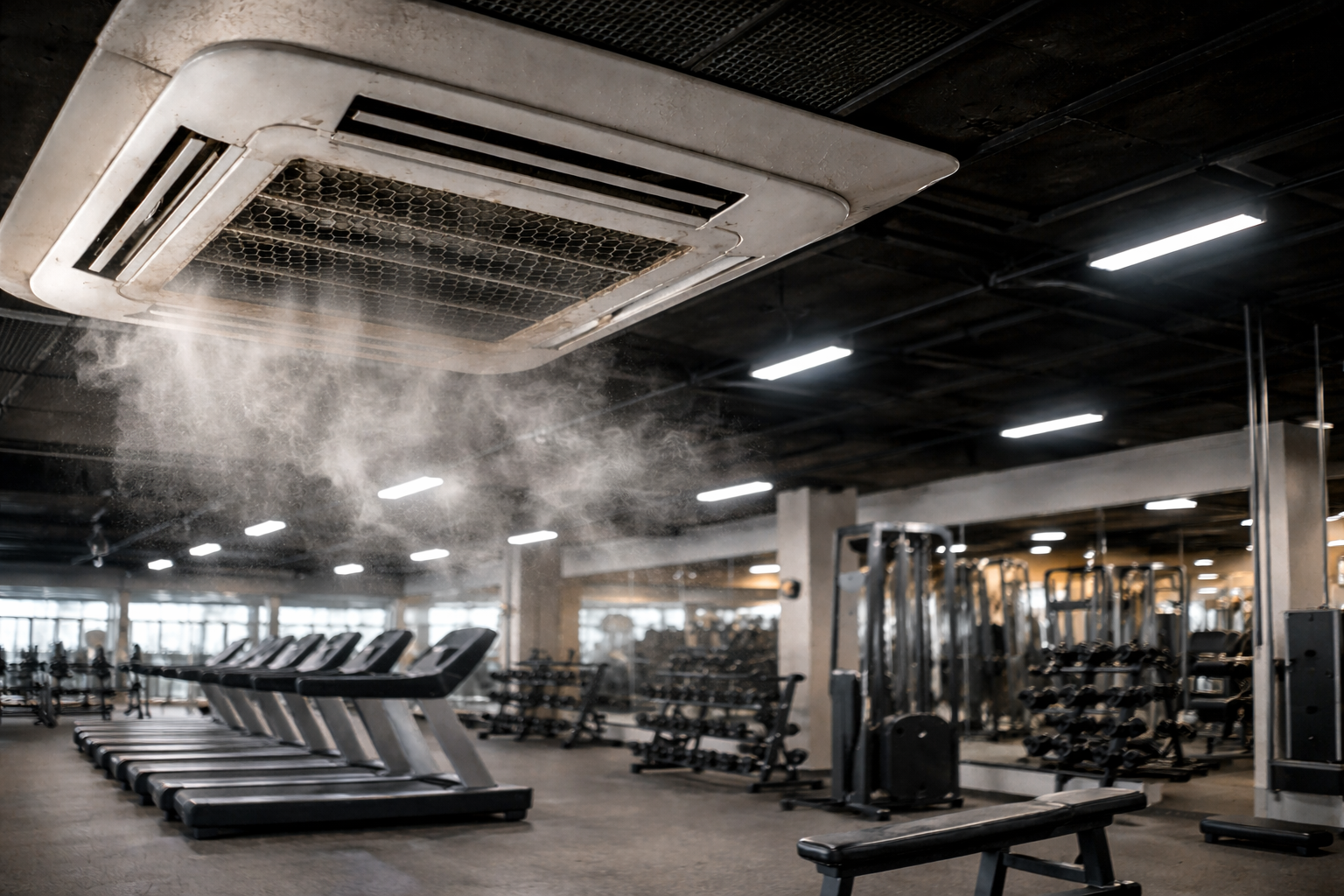
February is actually one of the most practical months to do it. Winter has stressed ventilation systems, increased indoor occupancy and amplified viral spread. By late winter, shared spaces have endured weeks of heavy use with windows closed and heating on.
That’s when hidden build-up accumulates.
Waiting until something goes wrong defeats the purpose.
Myth 3: It’s Just a Bigger Version of Regular Cleaning
It isn’t.
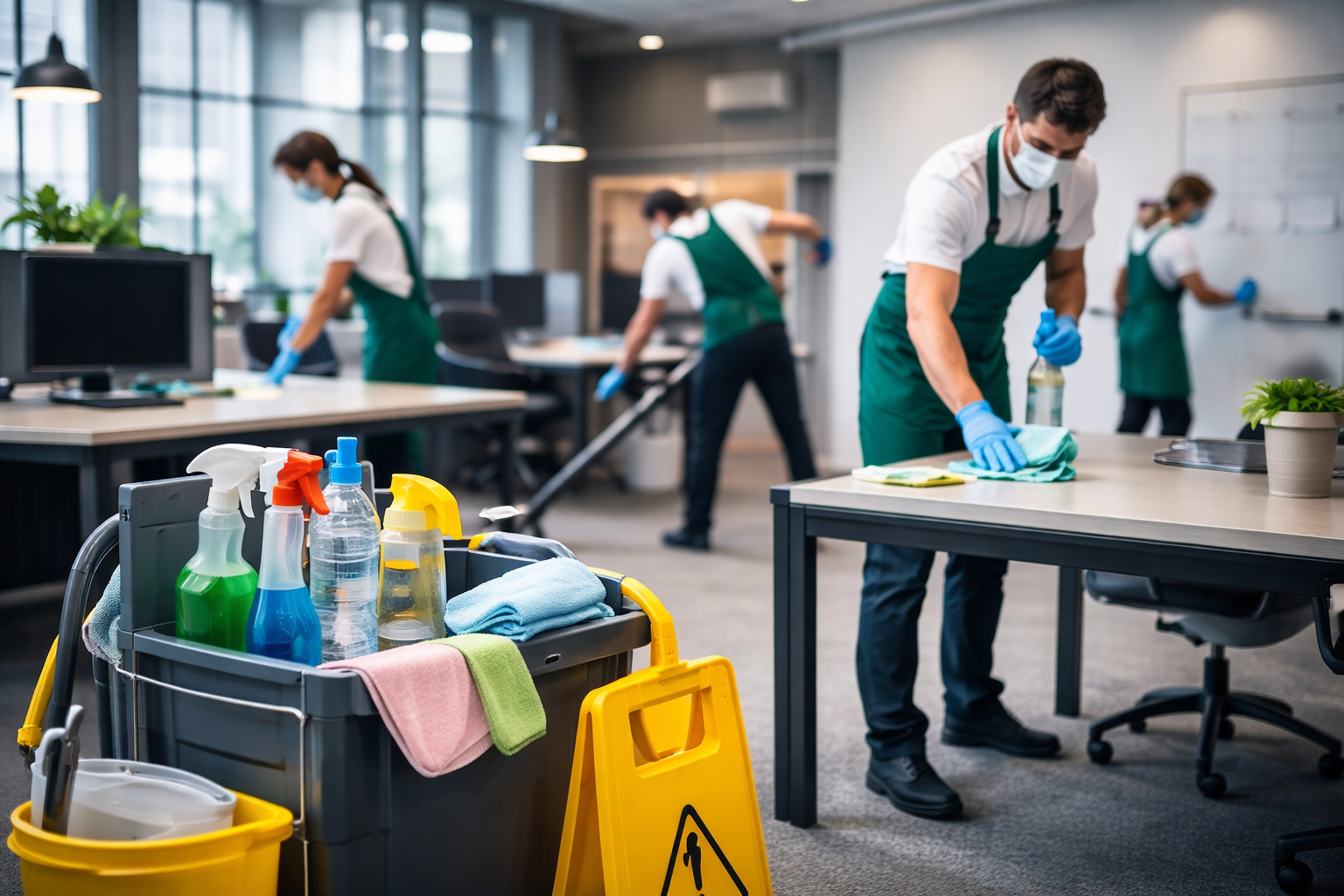
Deep cleaning should involve:
-
Targeted disinfection of high-contact areas
-
Equipment moved, not cleaned around
-
Attention to overlooked zones
-
A focus on hygiene risk, not just aesthetics
It should also adjust based on season.
Winter deep cleaning looks different from summer deep cleaning. Illness risk differs from allergen control. A shared office differs from a residential communal stairwell.
When the same checklist is used year-round without adaptation, it stops being strategic.
The Cost of Getting It Wrong
Here’s where misunderstanding deep cleaning becomes expensive.
Spaces that rely solely on surface-level cleaning often experience:
-
Increased sickness absence
-
Complaints about hygiene or odour
-
Gradual deterioration of fixtures and fittings
-
Higher reactive cleaning costs later
It rarely happens all at once. It creeps.
And because it creeps, it’s easy to ignore until it becomes visible.
What Deep Cleaning Should Actually Mean
Done properly, deep cleaning is about reset.
It restores hygiene standards beyond daily maintenance. It reduces risk rather than responding to it. It protects shared environments before problems escalate.
It doesn’t need to be dramatic. It needs to be intentional.
And February, sitting at the tail end of winter pressure, is one of the smartest times to do it.
Because once spring arrives and footfall shifts, most people stop thinking about what winter quietly left behind.