
Graffiti is more than an eyesore. Left untreated, it can damage surfaces, attract repeat tagging, and create the impression that an area is neglected. The challenge is that not all graffiti should be removed the same way. Some methods work well in one situation and cause permanent damage in another.
This guide explains what actually works, what usually fails, and why professional removal is often the safest option.
First, identify the surface
The most important factor in graffiti removal is what it’s on, not what was sprayed.
Common surfaces include:
-
Brick and masonry
-
Painted walls
-
Metal shutters and doors
-
Glass
-
Stone and concrete
Porous materials absorb paint deeply, while smooth surfaces are easier to clean but easier to damage.
What works
1. Specialist graffiti removal products
Purpose-made removers are designed to break down spray paint without damaging the surface underneath.
They are effective when:
-
Matched correctly to the surface type
-
Used with controlled dwell times
-
Removed using the right technique
Incorrect use can still stain or etch surfaces, which is why experience matters.
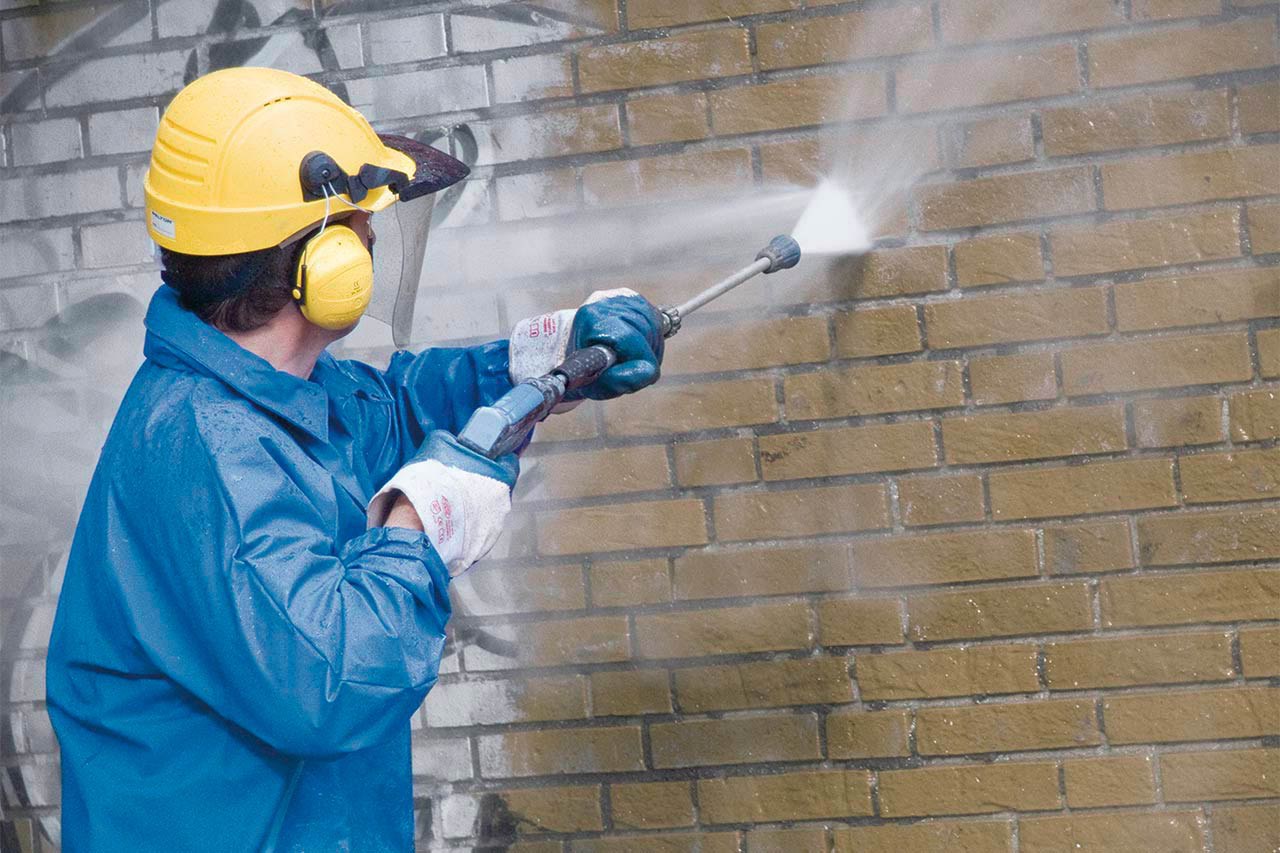
2. Low-pressure washing (when used correctly)
Pressure washing can be effective on hard, durable surfaces, but only when:
-
Pressure is carefully controlled
-
The correct nozzle and angle are used
-
Combined with a suitable cleaning agent
High pressure on the wrong surface can permanently scar brickwork or strip protective coatings.
3. Soft abrasion techniques
On some masonry or concrete surfaces, controlled abrasion can lift paint from the surface layer.
This works best when:
-
Used sparingly
-
Targeted only at affected areas
-
Followed by surface neutralisation
Overuse can leave visible “clean patches” that stand out just as much as graffiti.
4. Protective anti-graffiti coatings
Prevention plays a big role in long-term management.
Anti-graffiti coatings:
-
Make future removal easier
-
Reduce paint absorption
-
Discourage repeat tagging
These are especially useful for shutters, public-facing walls, and high-risk locations.
What doesn’t work (and often makes it worse)
1. Household cleaners
Products like bleach, degreasers, or detergents rarely remove spray paint properly.
Common results:
-
Faded but still visible graffiti
-
Spread pigment into surrounding areas
-
Surface staining
They often turn a simple job into a more complex one.
2. Scrubbing with wire brushes or hard tools
Aggressive scrubbing can:
-
Etch metal
-
Damage paintwork
-
Roughen brick and stone
Once the surface is damaged, future graffiti becomes harder to remove.
3. High-pressure washing as a first step
Using maximum pressure immediately is one of the most common mistakes.
This can:
-
Drive paint deeper into porous surfaces
-
Remove surface finishes
-
Leave permanent marks
Pressure should be a controlled part of the process, not the starting point.
4. Painting over graffiti without treatment
Covering graffiti without proper cleaning often leads to:
-
Paint bleed-through
-
Colour mismatch
-
Repeat tagging in the same area
It also does nothing to prevent future incidents.
Why speed matters
Graffiti is more likely to be repeated if it remains visible.
Quick removal:
-
Reduces repeat tagging
-
Protects brand and property image
-
Limits long-term surface damage
The longer paint is left to cure, the harder it becomes to remove cleanly.
When professional removal makes sense
Professional graffiti removal is recommended when:
-
Surfaces are historic or decorative
-
Graffiti covers large areas
-
Previous removal attempts failed
-
Anti-graffiti coatings are being applied
Specialists have the tools and experience to remove paint without creating a new problem.
Keeping surfaces protected
Effective graffiti management is about more than removal. Choosing the right method, acting quickly, and protecting vulnerable surfaces helps keep properties looking maintained and discourages repeat damage.