
January has a habit of revealing problems that were easy to miss in December. Buildings sit closed or half-used, cleaning schedules get reduced, and when teams return, everything is switched back on at once. That combination makes the first few weeks of the year the right time to stop and properly assess workplace hygiene.
On the surface, many workplaces look fine after a shutdown. The reality is that reduced use can create conditions where small issues turn into serious ones. We’ve seen offices reopen to foul odours from dried-out plumbing traps, toilets backing up due to blockages that went unnoticed, and kitchens becoming unusable because waste systems were left idle for too long. In some cases, what starts as a smell complaint quickly becomes a biohazard clean-up.
One of the first areas to review is plumbing and drainage. Floor drains, sinks, and lesser-used toilets can dry out over long closures, allowing sewer gases to rise back into the building. When water usage suddenly increases again in January, blockages and leaks are more likely to show themselves. Catching these issues early can prevent situations where parts of a building need to be closed off entirely.
General cleanliness in low-use areas is another common weak point. Meeting rooms, storage spaces, secondary toilets, and welfare areas often receive minimal attention during shutdown periods. When staff return, these rooms are immediately back in use, and that’s when dust buildup, stale air, and missed sanitation become obvious. Touchpoints like door handles, switches, chair arms, and shared equipment are frequently overlooked and quickly become hygiene risks.
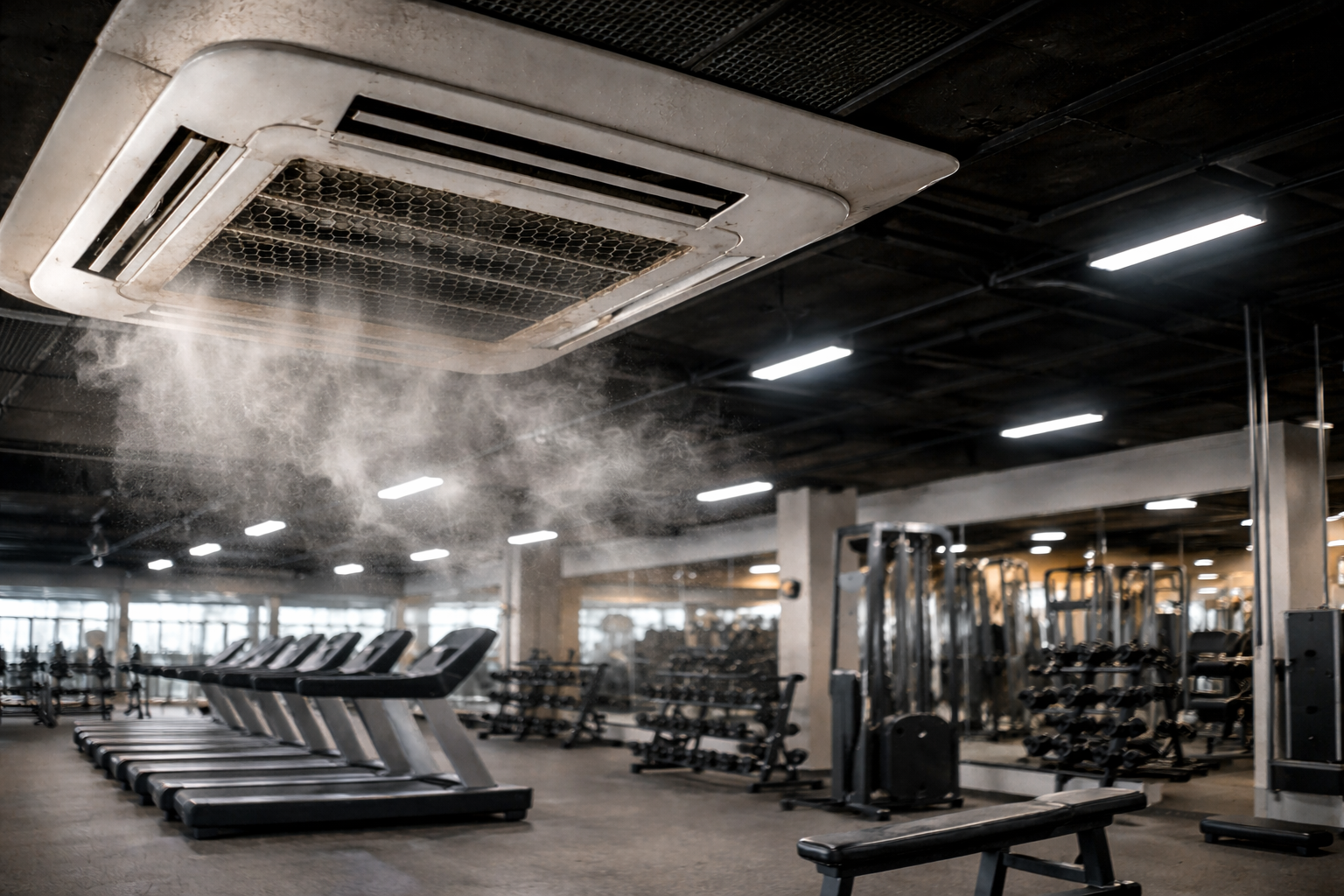
Ventilation is an area where problems are often invisible until they affect people. Systems that have been idle or running at reduced capacity can accumulate dust, condensation, or even mould in extreme cases. Poor ventilation doesn’t just affect comfort. It can contribute to headaches, respiratory irritation, and an overall sense that a space feels unhealthy. January is the right time to ensure airflow is working as intended before occupancy returns to normal levels.
Waste handling is another area where real problems emerge after the holidays. Reduced collections, leftover packaging, and food waste from December can lead to pest activity if not dealt with promptly. We’ve seen kitchens reopened where bins were technically empty but contaminated, causing odours and hygiene concerns that required professional intervention before the space could be used again.
Floors also take a hit in winter. Salt, grit, and moisture tracked in during bad weather can damage surfaces and create slip hazards, particularly in entrance areas and stairwells. Mats often hold more moisture and dirt than expected after a few weeks of heavy use, and routine cleaning alone doesn’t always remove it. January is a sensible time for a deeper clean to reset these areas.
Restrooms and wash areas deserve careful attention as well. Periods of low use can lead to limescale, stagnant water smells, and blocked outlets. Once occupancy increases again, these issues escalate quickly and tend to generate complaints. Addressing them early avoids disruption and maintains basic standards of comfort and hygiene.
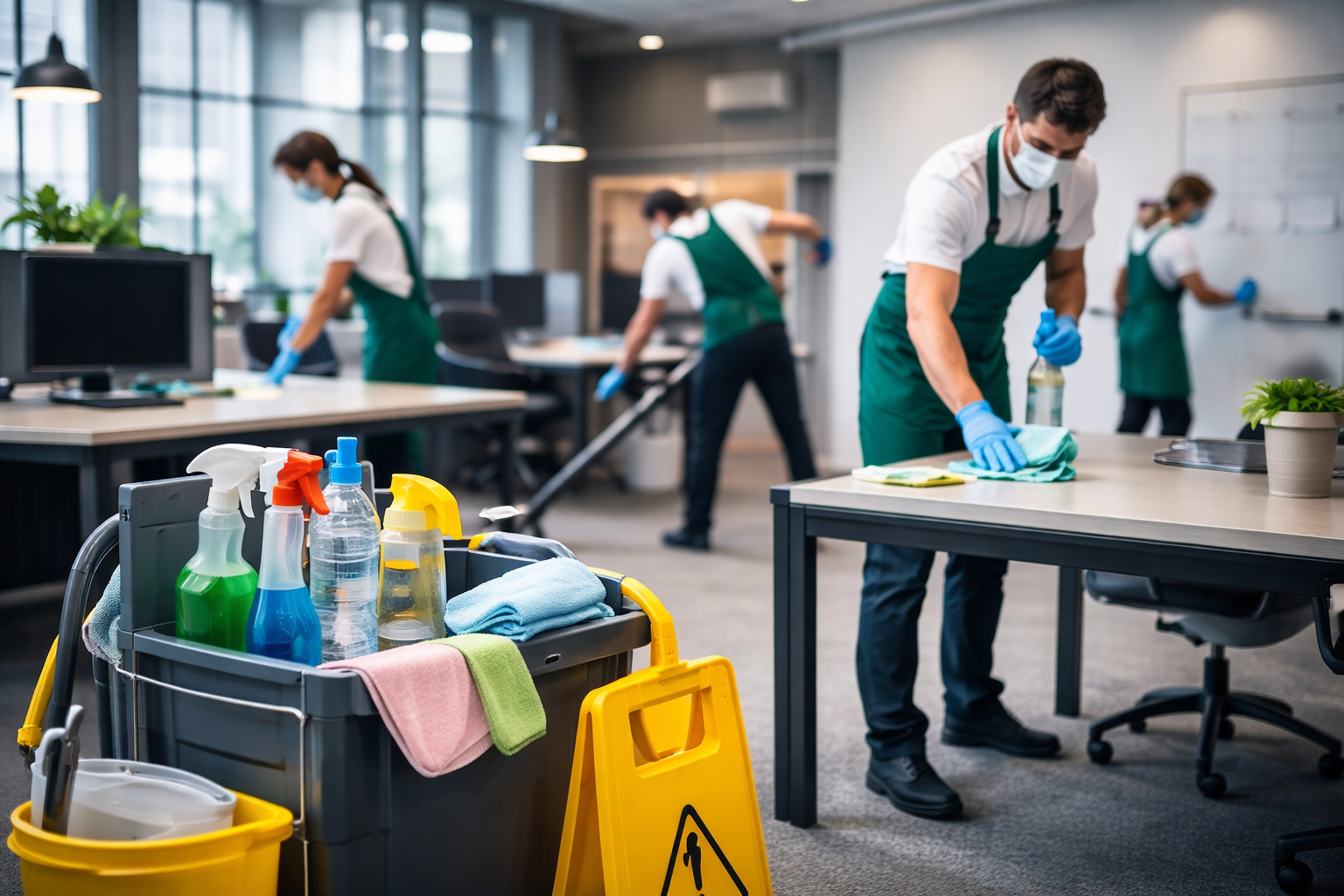
It’s also worth reviewing cleaning schedules themselves. Many sites reduce frequencies over the festive period and forget to fully restore them in January. We regularly see areas left on holiday rotas weeks into the new year, simply because no one formally reset them. Checking that responsibilities, frequencies, and expectations are back to normal prevents gaps from forming.
For workplaces with compliance requirements, January is a sensible time to review records and documentation. Cleaning logs, COSHH assessments, and risk reviews often fall behind during busy periods. Bringing everything up to date early helps avoid issues later, especially if inspections or audits are expected in the months ahead.
Finally, listen to staff feedback. People returning after a break notice smells, cleanliness issues, and environmental changes far more quickly than usual. Those early comments often point directly to underlying problems. Acting on them early can prevent small issues from turning into costly disruptions.
A January hygiene check isn’t about overreacting. It’s about recognising that shutdowns change how buildings behave. A small amount of proactive attention at the start of the year can prevent lost time, emergency call-outs, and avoidable health risks later on.
For many workplaces, January is the moment to check whether standards have truly been reset, or whether holiday routines are quietly still in place.