
Winter puts extra strain on buildings, outdoor areas, and essential services. Shorter days, low temperatures, ice, and increased rainfall all increase the risk of damage, disruption, and accidents if sites are not properly prepared.
Whether the site is commercial, industrial, or public-facing, early preparation makes winter maintenance more manageable and far less reactive.
Why winter preparation matters
Cold weather exposes weaknesses that may go unnoticed during warmer months. Common winter issues include:
-
Slips and falls on untreated surfaces
-
Blocked drainage leading to flooding
-
Equipment failures due to cold or moisture
-
Accelerated wear on external surfaces
-
Increased call-outs and emergency repairs
Preparing in advance reduces downtime, safety risks, and unplanned costs.
Winter maintenance preparation checklist
1. External surfaces and access routes
These are the highest risk areas during icy conditions.
-
Inspect walkways, steps, ramps, and loading bays
-
Repair uneven paving, loose slabs, or damaged tarmac
-
Identify areas prone to standing water or ice
-
Ensure handrails are secure and free from corrosion
-
Confirm grit bins are stocked and accessible
Clear, well-maintained access routes reduce slip risk and liability.
2. Drainage and water management
Blocked drainage is a major cause of winter flooding.
-
Clear leaves and debris from gullies and drains
-
Inspect downpipes and external drainage channels
-
Check flat roofs for pooling water
-
Ensure soakaways and surface drains are functioning
Small blockages can quickly become major issues during heavy rainfall or snow melt.
3. Building exteriors
Winter weather accelerates damage to exposed surfaces.
-
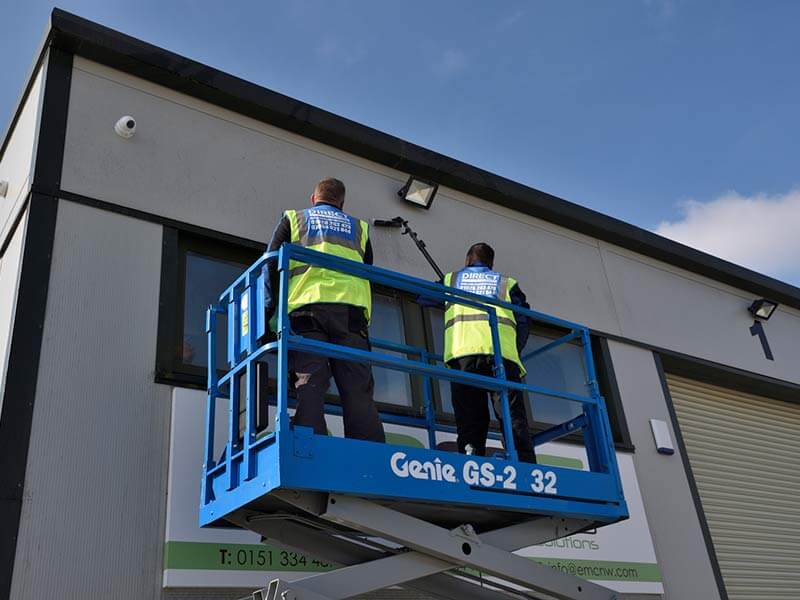
Inspect brickwork, cladding, and render for cracks
-
Check sealants around doors and windows
-
Secure loose signage, fixtures, or panels
-
Clean moss, algae, and organic growth from walls and paths
Early intervention prevents water ingress and freeze-thaw damage.
4. Waste and storage areas
Waste management becomes more challenging in winter.
-
Clean and disinfect bin stores
-
Ensure lids close properly and drains are clear
-
Reduce food and waste exposure that attracts pests
-
Check lighting around waste areas
Poor waste hygiene increases pest activity during colder months.
5. Plant rooms and service areas
Critical infrastructure should not be overlooked.
-
Inspect boiler rooms and plant spaces for leaks
-
Ensure ventilation areas are clear
-
Protect exposed pipework where required
-
Clean service corridors and access points
These areas are often out of sight but essential to site operation.
6. Pest prevention checks
Cold weather drives pests indoors.
-
Seal gaps around doors, vents, and service entries
-
Inspect external walls for access points
-
Remove food sources and nesting materials
-
Increase monitoring in known problem areas
Preventative measures reduce the need for reactive pest control later.
7. Emergency readiness
Winter conditions increase the likelihood of urgent issues.
-
Review emergency contact procedures
-
Identify priority response areas
-
Ensure contractors can access the site in poor weather
-
Document winter maintenance responsibilities
Clear plans reduce confusion during incidents.
Common mistakes to avoid
-
Waiting for the first freeze before acting
-
Treating winter maintenance as a one-off task
-
Ignoring high-level or low-visibility areas
-
Relying solely on reactive call-outs
Consistent monitoring is just as important as preparation.
Maintaining safety and continuity through winter
Preparing a site for winter is about reducing risk and maintaining continuity. Addressing vulnerable areas early helps protect people, property, and operations throughout the colder months.
A structured approach allows winter conditions to be managed calmly rather than responded to under pressure.